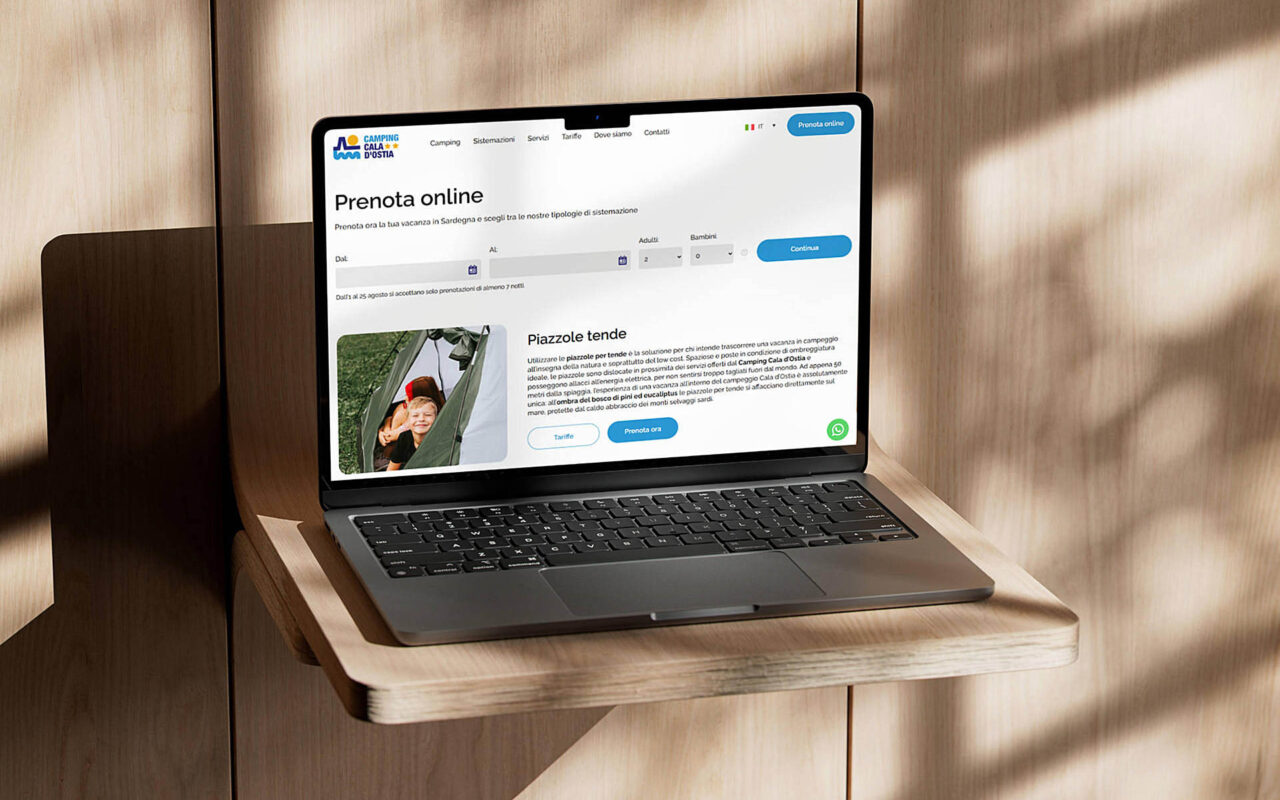
The goal when designing a website is not only to create a visually appealing site, but also to ensure that users can easily find it in search engines. This is where search engine optimisation (SEO) comes into play. A well-designed website, but without a good SEO strategy, will struggle to attract organic traffic. Below, we explain the importance of SEO optimisation in website design and marketing and how to make sure your site is set up for success.
SEO starts with site architecture
One of the first considerations in SEO web design is site structure. Search engines, such as Google, must be able to crawl and index all the pages on your site efficiently. This means that the site architecture must be clear and logical, making navigation easy for both users and search engines. A hierarchical structure with clear menus and a solid internal link architecture will help search bots understand the importance and relevance of each page.
Optimisation of URLs
Every page on the site should have an SEO-friendly URL. URLs that are short, descriptive and include relevant keywords are preferable, as they not only help search engines understand the content of the page, but also facilitate the user experience. Avoiding the use of numbers or strange characters in URLs and maintaining a consistent structure is essential for good optimisation.
Site loading speed
Page load speed is one of the key factors in search engine ranking. Google rewards sites that load quickly, as users tend to abandon pages that take too long to open. Optimising images, using caching, reducing unnecessary scripts and selecting a good hosting server are essential steps to improve the speed of your site. In addition, tools such as Google PageSpeed Insights can help you identify specific areas where you can improve performance.
Responsive design and mobile SEO
Responsive design, or the ability of a website to adapt to any screen size, is vital for SEO. Google has implemented mobile-first indexing, which means that it prioritises mobile versions of websites when ranking them in search results. If your site is not optimised for mobile, you will lose ranking positions and, more importantly, users. Make sure your site looks and functions properly on both mobile devices and desktop computers.
Proper use of heading tags (H1, H2, H3)
Header tags (H1, H2, H3, etc.) are critical to both user experience and SEO. They help search engines understand the hierarchy and relevance of the content. The H1 should be unique and contain the main keyword, while H2 and H3 can be used to divide the content into clear, easy-to-read sections. This not only improves readability, but also makes it easier for search engines to index and better understand the content of your page.
Optimising images and videos
Multimedia content can significantly improve the user experience, but it can also negatively affect SEO if it is not optimised correctly. Images should be compressed to reduce their size without losing quality, and should always include ALT tags that describe the content. These tags not only help visually impaired users, but also provide additional information to search engines about what the images contain, which can improve the relevance and ranking of the page.
Quality content and keyword usage
Content is still king in SEO. For a website to be effective in terms of SEO, it must offer valuable, relevant content that is optimised for the keywords that users are searching for. Excessive use of keywords (keyword stuffing) can hurt your ranking, so it is essential that keywords are integrated naturally into the content. In addition, it is important to ensure that your content is well structured and regularly updated, as Google values freshness and relevance.
Internal and external links
The strategic use of internal links (within your own website) and external links (to other relevant pages) is another key factor in SEO. Internal links help distribute the authority of pages within your site, improving navigation and allowing search engines to better crawl your content. On the other hand, external links to high authority sites in your industry can increase your site’s credibility and improve your ranking.
Structured data and rich snippets
Structured data, also known as rich snippets, is an advanced form of SEO optimisation that helps search engines better understand your website’s content. By adding structured data to your HTML code, you can improve your page’s visibility in search results by presenting additional information such as reviews, products, prices and events. This can increase click-through rates (CTR) and improve your page’s relevance in search results.
Local search optimisation and local SEO
If your website belongs to a local business or has a geographic component, local SEO is crucial. Including your address, phone number and opening hours in the footer, as well as optimising your Google My Business profile, will help local users find your business easily. In addition, using local keywords and including Google maps on your site can improve your visibility in local searches.
Constant monitoring and analysis
SEO is a constantly evolving process, so it is important to continually monitor and adjust optimisation strategies. Tools such as Google Analytics and Google Search Console are essential for tracking web traffic, identifying issues and making adjustments based on user behaviour and Google algorithm updates.
SEO optimisation is an essential component of website design. A well-designed site will not reach its full potential if it is not optimised for search engines. From site architecture to content and technical aspects, SEO must be a priority at every stage of the design process to ensure that the website is attractive, visible and easy for users to find.