Sustainability has become a key factor in the packaging design industry. Consumers are increasingly aware of the environmental impact of their purchasing decisions, and brands are responding to these concerns by adopting eco-friendly materials and more sustainable processes. This shift towards the use of responsible materials, in addition to benefiting the planet, has become a strategic issue for brands wishing to align themselves with current market demands.
Plastic reduction: a global imperative
One of the main focuses in packaging sustainability is reducing the use of non-biodegradable plastics. Many brands are adopting alternatives such as bioplastics, which come from renewable sources and break down more quickly, or are eliminating plastic altogether in favour of recycled or recyclable materials such as cardboard and paper. The aim is to reduce plastic waste, which has historically caused great harm to the environment.
Recycled cardboard and paper: classics revisited
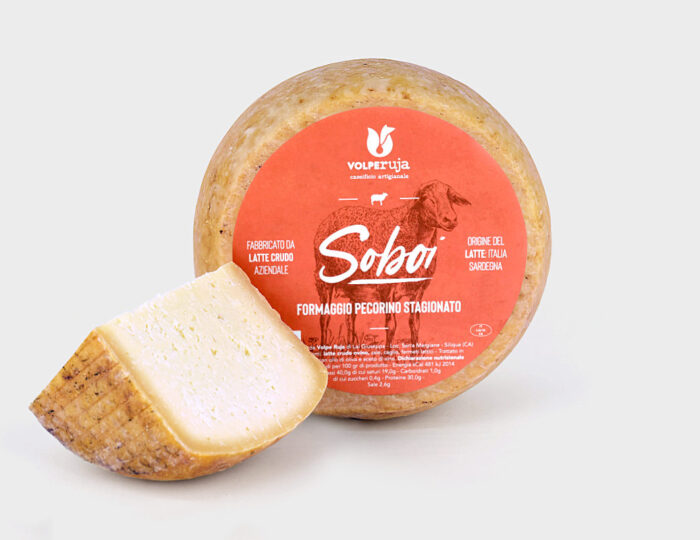
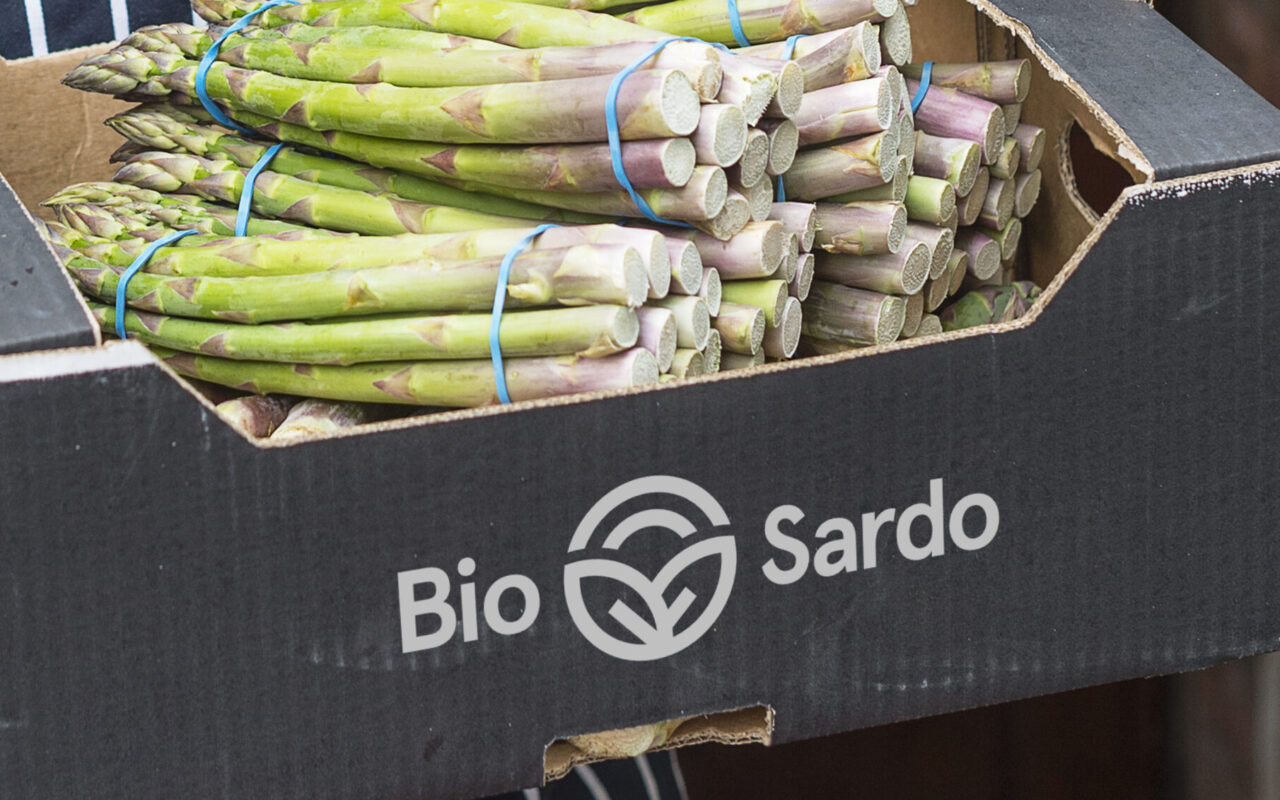
Recycled paper and cardboard are popular choices in eco-friendly packaging design. These materials are biodegradable and also offer flexibility and creative design possibilities. In addition, the use of recycled cardboard instead of plastic reinforces the perception of the brand as responsible and conscious. However, the challenge in many cases is to balance packaging aesthetics and functionality with durability, especially in sectors such as food and cosmetics, where product protection is crucial.
Reusable glass: sustainability and elegance
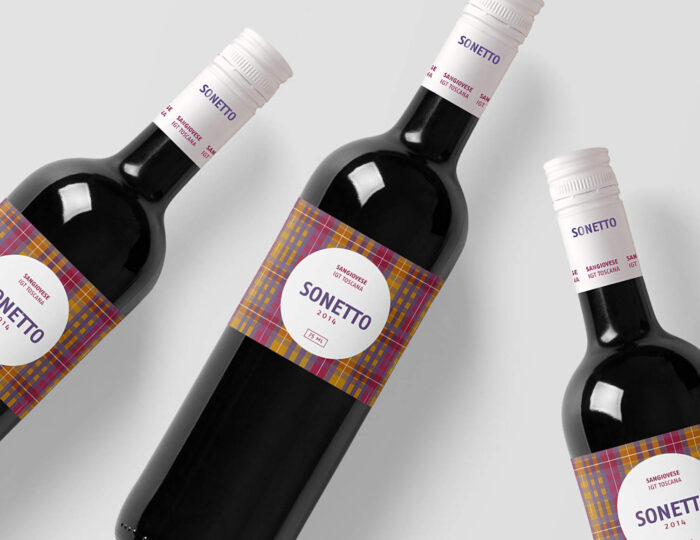
Glass has regained popularity in packaging design, especially in luxury and cosmetic products. This material is 100% recyclable and can be reused indefinitely without losing quality. Not only is glass sustainable, but it also adds a premium feel to the product, making it an ideal choice for brands seeking both elegance and environmental friendliness.
Compostable and biodegradable packaging
Another trend that is gaining momentum is the use of compostable and biodegradable packaging. These materials are designed to decompose naturally in a short period of time without leaving toxic residues. Compostable packaging, made from materials such as corn starch, bamboo or sugar cane, is an effective alternative to reduce the environmental impact of single-use products such as food packaging or fast-moving consumer goods.
Innovation in bioplastics
Bioplastics, made from renewable resources such as plants and algae, are another emerging option in sustainable packaging design. Although they still have challenges in terms of cost and large-scale production, bioplastics represent a promising alternative to petroleum-based plastics. This type of material is particularly useful in sectors where the transparency and durability of plastic is required, but with an eco-friendly approach.
The role of design in the circular economy
The concept of circular economy is deeply linked to the use of environmentally friendly materials in packaging. This approach seeks to create systems where products and their packaging are constantly reused or recycled, preventing them from becoming waste. Packaging design must be adaptable so that the materials used can be easily integrated into these cycles, prolonging their useful life and reducing the need for virgin resources.
Sustainability as part of the consumer experience
For many consumers, the sustainability of packaging is a decisive factor when choosing a product. Brands that adopt eco-friendly materials not only meet the public’s expectations, but can also use this approach as a point of differentiation. Sustainability has become an integral part of the consumer experience, and packaging is a key component of that experience. Green packaging, for example, must be sustainable but also attractive and functional to generate a positive relationship between the product and the consumer.
The future: innovation and commitment
As technology advances, environmentally friendly materials in packaging design will continue to evolve. Research and development into new alternatives, such as packaging based on mycelium (a material derived from fungi) or those made from agricultural waste, promise to offer even more sustainable solutions in the coming years. Brands’ commitment to sustainability will be a key factor in their success, both in terms of social responsibility and market competitiveness.
Eco-friendly materials are redefining the future of packaging design. Therefore, with a focus on sustainability, brands can reduce their environmental impact while offering products that resonate with the values of their consumers. This forward-looking approach is not only a response to today’s needs, but also an investment in a more sustainable and ethical model for generations to come.